
THE VIRGIN TIMES
Lagos Targets 24-Hour Electricity as FG Launches New Energy Zone Initiative
The Federal Government and Lagos State have established joint committees to drive a 24-hour electricity pilot in Lagos under the new 24/7 Energy Zones initiative.
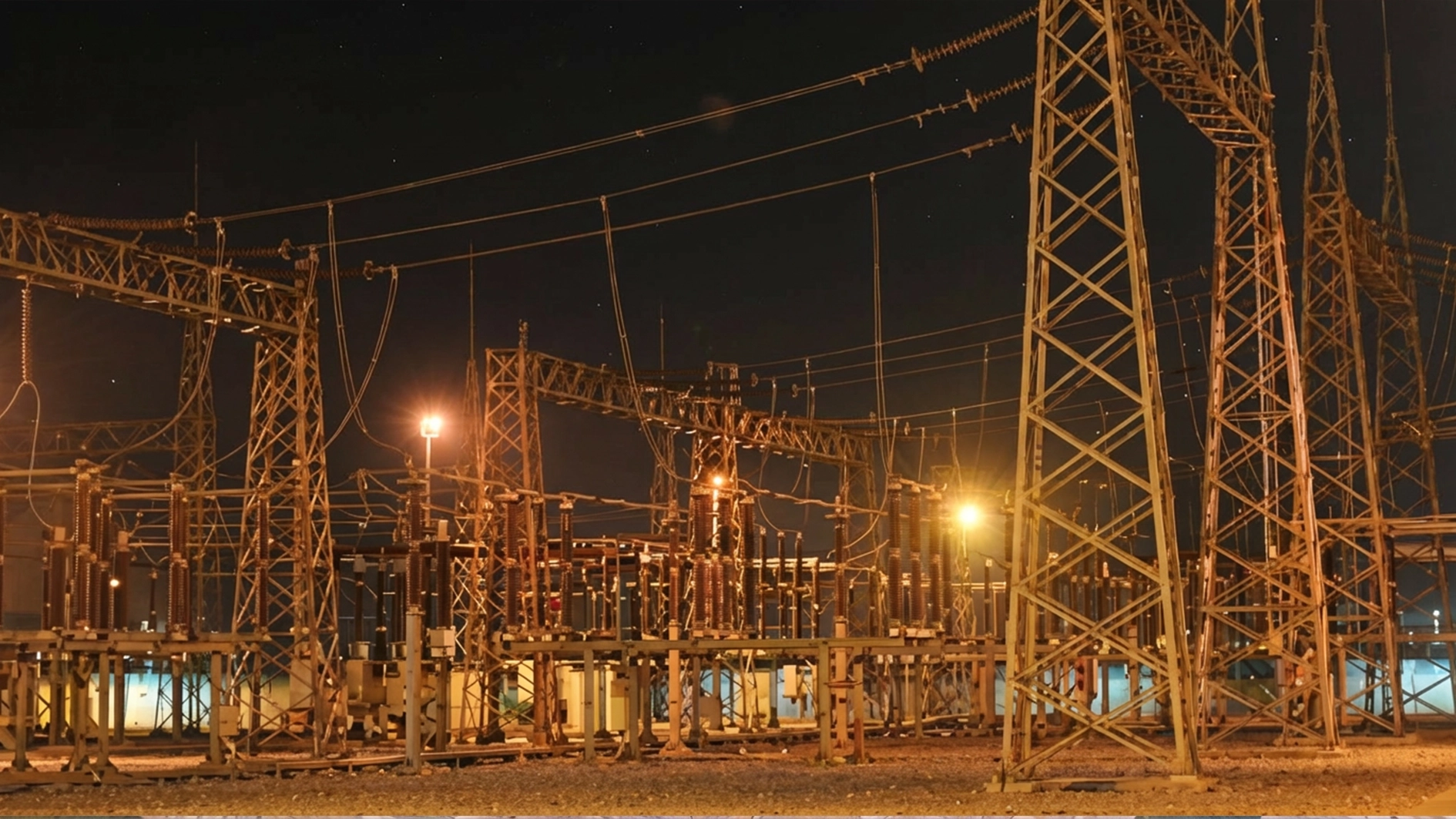
Virgin Times News The Federal Government and the Lagos State Government have agreed to work together on a new initiative aimed at delivering stable and reliable 24-hour electricity supply across parts of Lagos. The initiative is being developed under a 24/7 Energy Zones pilot programme, with Lagos selected as the starting point before the model is potentially extended to other major commercial and industrial corridors. The development comes amid longstanding concerns over electricity reliability, which continues to affect households, businesses and industries across the country. The Federal Government and Lagos State have therefore established joint committees to coordinate the technical and implementation aspects of the initiative. Why Lagos Was Chosen Lagos has been selected as the pilot location because of its enormous economic importance and electricity demand. Minister of Power Joseph Tegbe said Lagos accounts for between 40 and 50 per cent of Nigeria's electricity demand, making it a strategic location for testing a model that could eventually be expanded to other parts of the country. The state's concentration of businesses, industries, financial institutions, technology companies and residential communities means improvements in electricity reliability could have a significant economic impact. Joint Committees to Drive Implementation The new arrangement brings the Federal Ministry of Power and Lagos State Government together to coordinate interventions. The committees are expected to work on the technical and operational requirements necessary to improve power availability. The goal is not simply to increase electricity generation but to create an integrated approach that addresses the wider electricity supply chain. That includes issues surrounding generation, transmission, distribution and the infrastructure required to deliver reliable power to consumers. 24/7 Energy Zones The initiative is being implemented as an energy-zone pilot designed to concentrate interventions within defined areas. Lagos will serve as the first major test of the approach. The plan is expected to provide a framework that could subsequently be extended to other major economic corridors, including the Abuja-Kaduna-Kano and Enugu-Port Harcourt corridors. What It Could Mean for Businesses Reliable electricity remains a major concern for Nigerian businesses. Many companies rely on generators and alternative power sources to maintain operations during outages, increasing operating costs. For small businesses, manufacturers, offices, restaurants and technology companies, more predictable electricity could reduce dependence on expensive backup generation. A successful 24-hour power initiative could therefore have implications beyond households, particularly for businesses that depend heavily on continuous electricity. Lagos Economy in Focus The decision to use Lagos as a pilot reflects the state's position as Nigeria's leading commercial centre. The city hosts major financial institutions, ports, manufacturers, technology companies, markets and service businesses. Any sustained improvement in electricity supply could potentially support longer operating hours and reduce disruptions caused by power outages. However, the success of the programme will depend on implementation, infrastructure capacity and coordination among the various players in the electricity sector. Government's Wider Power Agenda The Lagos initiative forms part of a broader attempt by the Federal Government to improve electricity reliability through targeted interventions. Rather than treating the entire national grid as one uniform problem, the energy-zone approach focuses on specific economic corridors where interventions can be coordinated. The Lagos pilot will therefore be closely watched by businesses and consumers in other parts of Nigeria. What Happens Next? The joint committees are expected to move from planning into implementation by identifying the infrastructure and operational requirements of the selected energy zones. The Federal Government and Lagos State will also need to coordinate with electricity distribution companies, generation companies, transmission authorities and other stakeholders. For residents and businesses, the key question will ultimately be whether the initiative translates into measurable improvements in actual hours of electricity supply. For now, Lagos has become the testing ground for an ambitious plan aimed at making reliable 24-hour electricity a reality. Virgin Times News will continue to follow the implementation of the Lagos 24/7 Energy Zone initiative and report major developments as they emerge.
What Do You Think?
React to this story.
Readers
Readers' Comments
Be the first reader to comment.
Stay Informed
Subscribe to The Virgin Times
Get notified when we publish new stories, important updates and special reports.
By subscribing, you agree to receive Virgin Times publication updates. You can unsubscribe later.